

FIFA’s 2026 on track for record-breaking revenue windfall.The 2026 FIFA World Cup has not only rewritten football history on the pitch but has also set a new financial benchmark off it, with world football’s governing body expected to announce unprecedented tournament revenues after exceeding its own projections by a significant margin.

Key figures at a glance
| Metric | Figure |
| Full 2023-2026 FIFA cycle revenue (projected) | USD 15 billion+ (Infantino, July 2026) |
| Tournament revenue estimate (2026 WC alone) | USD 11 billion (Economy Middle East, 21 July 2026) |
| Total spectators across the tournament | 6.5 million |
| Final ticket resale peak price | USD 2.3 million |
| FIFA Last Minute Sales price (before removal) | USD 32,000 per seat |
| FIFA Club Benefits Programme (total) | USD 355 million |
| Distribution to qualifier clubs | USD 100 million |
| Distribution to World Cup finals clubs | USD 250 million |
| Global football development reserve | USD 5 million |
| FIFA member associations | 211 |
Infantino: ‘We can top USD 15 billion’
Referring to revenues generated across the entire 2023-2026 FIFA cycle, FIFA President Gianni Infantino stated:
Those revenues, if confirmed, would provide FIFA with unprecedented resources to distribute across its 211 member associations. A separate estimate from the Economy Middle East, citing a tournament revenue figure of USD 11 billion for the 2026 World Cup alone and a total attendance of 6.5 million spectators, underscores the scale of the commercial achievement across North America’s three co-host nations.

The resale market and soaring ticket prices
The remarkable financial growth was largely driven by overwhelming global demand for tickets, particularly through FIFA’s official resale platform. Unlike previous editions, FIFA earned a commission from both buyers and sellers on resale transactions, allowing the organisation to benefit directly from soaring demand.
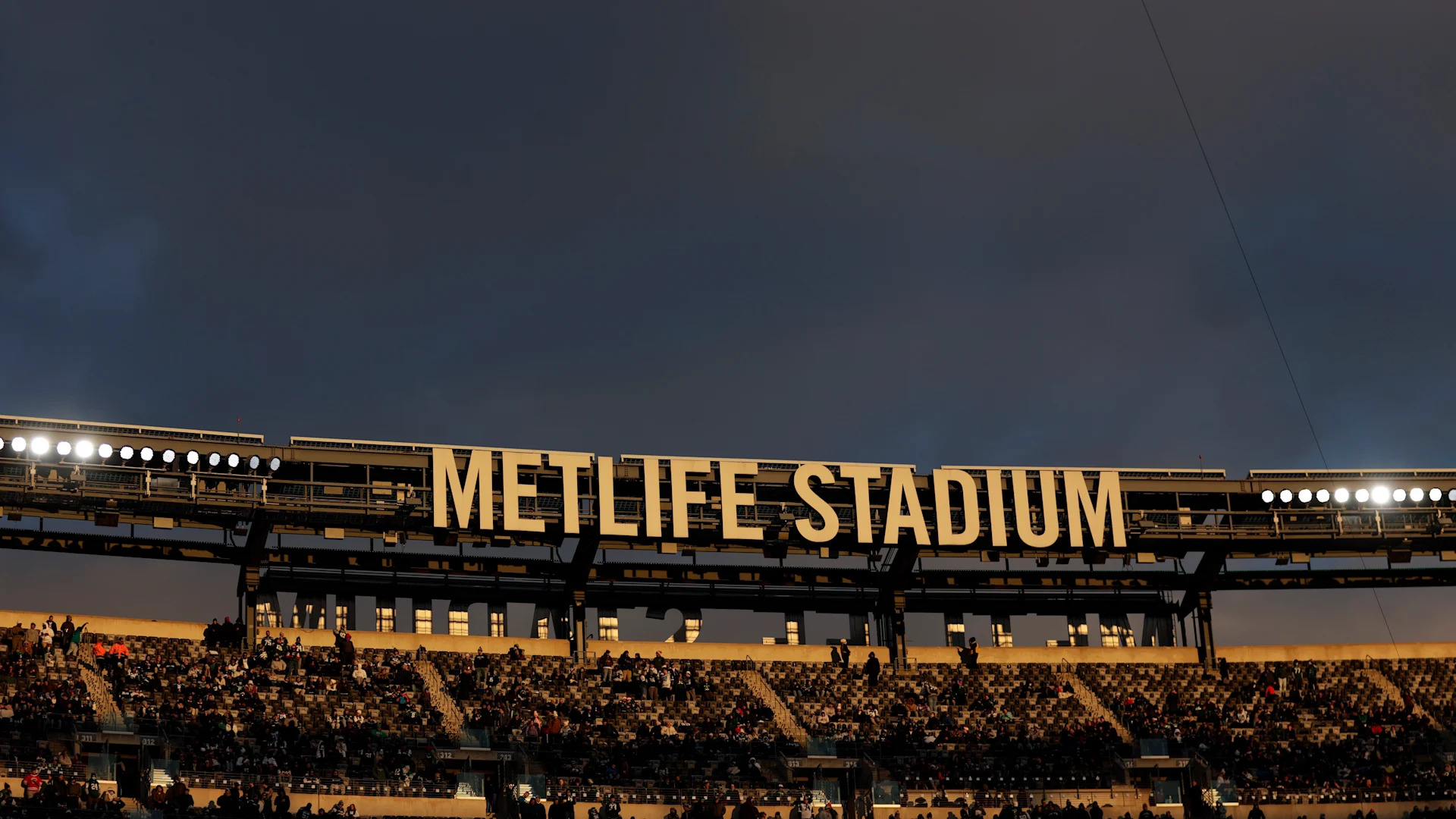
The World Cup final at MetLife Stadium became the clearest example of that demand. Tickets listed on FIFA’s resale platform reached prices of up to USD 2.3 million, while seats on FIFA’s Last Minute Sales portal were selling for approximately USD 32,000 before they were eventually removed due to overwhelming interest. Those figures made the final one of the most expensive sporting events ever attended in the United States.
Debate over accessibility
While the tournament generated record-breaking income, it also sparked debate across the football world. Fans repeatedly voiced concerns over the escalating cost of attending matches, with expensive ticket prices, high merchandise costs and certain commercial decisions during games attracting criticism throughout the competition.
Read also : 2026/27 EPL Fixtures Released
What it means for global football development
Despite those concerns, FIFA’s financial success is expected to have a positive impact on football development across its 211 member associations. Although the governing body has yet to outline the exact distribution formula, national federations are expected to receive a substantial share of the tournament’s earnings.
Those funds could significantly strengthen investment in football infrastructure, youth academies, women’s football, grassroots development and domestic competitions around the world. For many developing football nations, the additional financial support could prove vital in improving facilities, coaching structures and talent identification programmes.
Infantino’s political position and scrutiny
The record-breaking revenue is also likely to strengthen Infantino’s position ahead of FIFA’s presidential elections in 2027. Reports suggest that more than 200 of FIFA’s 211 member associations have already expressed support for his bid to seek a fourth and final term in office.
Infantino has, however, faced criticism during the tournament over several issues, including FIFA’s commercial direction and his relationship with political leaders in the United States. Questions were also raised following the reported intervention surrounding the suspension of United States striker Folarin Balogun, leading to calls from some quarters for greater transparency within football’s governing body.
Even so, the unprecedented financial success of the 2026 World Cup appears to have strengthened FIFA’s overall standing among its member associations. With an estimated USD 11 billion generated from the tournament alone, football’s global governing body now finds itself in an even stronger financial position to invest in the game’s future.
As attention shifts towards the next World Cup cycle, the 2026 edition is set to be remembered not only for its footballing spectacle but also for transforming the commercial landscape of the world’s biggest sporting event.

Read also: Fifa World Cup Golden Boot